

QUALITY CONTROL
More Than a Quick Power-On Check
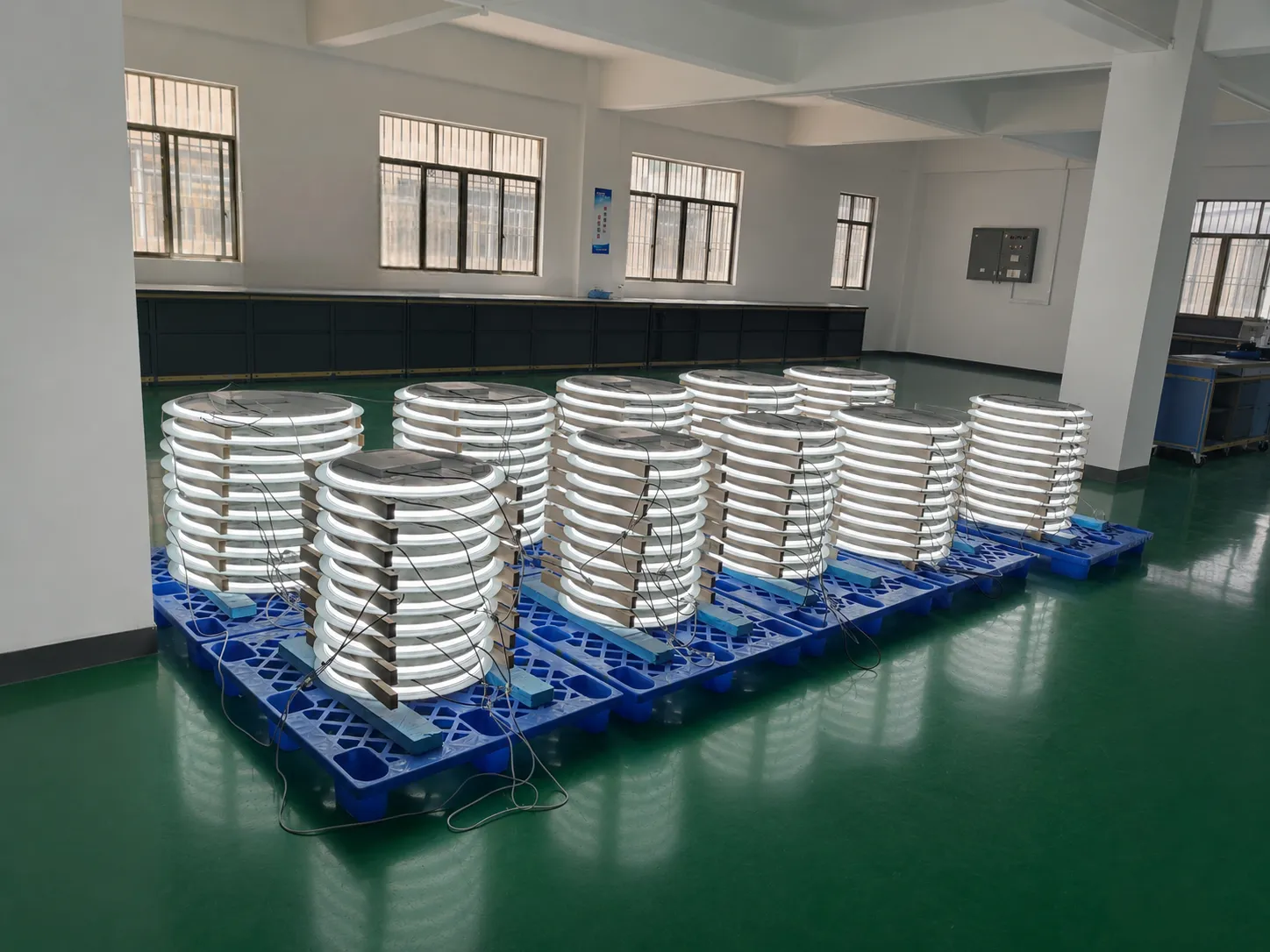
A brief power-on inspection only confirms that an LED mirror works at that moment.Continuous powered testing gives our inspectors more time to identify flickering, unstable drivers, wiring faults and control problems before final inspection and shipment.
- LED Lighting Stability
- Driver Performance
- Touch Control Response
- Anti-Fog Function
- Internal Wiring Check
- Batch Consistency
LED Mirror Quality Control
Why 48-Hour LED Mirror Aging Tests Matter
A 48-hour powered aging test is one part of LED mirror quality control. Continuous operation gives inspectors more time to identify electrical faults, evaluate component stability and check product consistency before final inspection and shipment. For hotel, project and wholesale buyers, this type of LED mirror testing can help reduce the risk of early failures after installation.
Detect Early Electrical Failures
Continuous operation can reveal flickering, unstable LED drivers, partial lighting failures, loose electrical connections and control problems that may not appear during a short power-on inspection.
Verify Production Consistency
Inspectors compare lighting performance, color temperature, touch controls, sensors, defoggers and other functions across mirrors from the same production batch.
Reduce Risk for Bulk Projects
Detecting problems before shipment can help hotels, contractors and distributors reduce replacement costs, installation delays, additional site work and after-sales service risk.
Testing Comparison
Quick Power-On Check vs 48-Hour Aging Test
A short functional check confirms that a mirror works at that moment. An aging test gives electrical and lighting components more operating time, which may expose faults that remain hidden during a brief inspection.
| Inspection Factor | Quick Power-On Check | 48-Hour Aging Test |
|---|---|---|
| LED Lighting | Confirms the LEDs turn on. | Gives inspectors more time to observe flickering, partial failure and unstable brightness. |
| LED Driver | Confirms initial power output. | Continuous operation can reveal unstable driver performance or intermittent electrical issues. |
| Touch Controls | Confirms the switch responds. | Repeated operation helps verify stable response during extended use. |
| Defogger & Sensors | Checks basic function. | Longer testing provides additional time to identify inconsistent operation. |
| Wiring | May reveal obvious faults. | Continuous electrical load can make some loose or unstable connections easier to detect. |
Inspection Checklist
What We Check During LED Mirror Testing
A useful LED mirror quality control process should evaluate more than whether the lights turn on. Inspectors should review the lighting system, electrical components, control functions and visible consistency of the product.
| Inspection Item | What Inspectors Check | Why It Matters |
|---|---|---|
| LED Lighting | Brightness, lighting uniformity and visible flickering. | Helps identify unstable lighting before installation. |
| LED Driver | Power stability and abnormal operation during continuous use. | The driver is a critical electrical component in a lighted mirror. |
| Touch Switch | Response, switching consistency and available dimming functions. | Controls should respond consistently during normal use. |
| Defogger | Heating function and control response where the model includes a defogger. | Functional problems should appear before the mirror reaches the job site. |
| Sensors | Sensor response and repeat operation where applicable. | Helps confirm stable operation of additional electronic functions. |
| Internal Wiring | Connections, wiring condition and obvious electrical abnormalities. | Reduces the risk of intermittent faults after installation. |
| Batch Consistency | Visible differences in lighting and function across the same order. | Commercial buyers need consistent products across multiple rooms or units. |
Factory Inspection Process
LED Mirror Quality Control Before Shipment
Aging testing works best as part of a wider inspection process. The objective is to find visible, electrical and functional problems while the mirrors are still inside the factory rather than after installation.
| Stage | Inspection Focus |
|---|---|
| 1. Initial Inspection | Check mirror surface, frame, finish, dimensions and visible assembly quality. |
| 2. Electrical Function Test | Verify lighting, driver, touch switch, sensor, defogger and other configured functions. |
| 3. Powered Aging Test | Operate applicable LED mirrors continuously to observe electrical and lighting stability. |
| 4. Final Functional Check | Recheck product functions after aging testing and correct any detected issues. |
| 5. Final Approval & Packaging | Confirm product condition and packaging protection before shipment. |
Commercial Project Value
Why Quality Control Matters for Hotels and Commercial Projects
A hotel, apartment or commercial project may install dozens or hundreds of LED mirrors. Even a small number of early failures can create replacement shipping, labor, room access and installation problems.
| Project Concern | Why Buyers Should Care |
|---|---|
| Early Product Failure | Replacing mirrors after installation can create extra labor and shipping costs. |
| Room Access | Hotel maintenance teams may need to reopen completed guest rooms for replacement work. |
| Batch Differences | Visible differences in light output or color temperature can affect consistency across rooms. |
| Installation Delays | Electrical or functional issues discovered on-site may delay handover or room completion. |
| After-Sales Cost | Better factory inspection can reduce avoidable replacement and service requests. |
Buyer Checklist
What Should Buyers Ask an LED Mirror Supplier?
Buyers should ask specific questions about testing rather than relying only on a general statement that the factory performs quality control.
| Question | Why It Matters |
|---|---|
| Does the supplier perform powered aging tests? | This helps buyers understand whether long-duration electrical testing forms part of production inspection. |
| How long does the aging test run? | Test duration affects how much operating time inspectors have to observe the product. |
| Are LED drivers and wiring inspected? | Electrical components play a major role in the reliability of LED mirrors. |
| Are touch switches, sensors and defoggers tested? | Additional functions should work consistently before shipment. |
| How does the factory handle failed units? | Buyers should understand whether failed products are corrected and retested. |
| Can the supplier provide inspection records? | Photos, reports or testing records can provide additional evidence of the factory process. |
Important Limitation
Aging Testing Does Not Replace Safety Certification
A powered aging test helps identify certain electrical, lighting and functional problems, but it does not replace market-specific safety certification or compliance testing.
FAQ
LED Mirror Quality Control FAQs
What is an LED mirror aging test?
An LED mirror aging test keeps the mirror powered for an extended period so inspectors can observe lighting, electrical components and available functions under continuous operation.
Why does NISSIYA use a 48-hour aging test?
Longer operating time gives inspectors more opportunity to identify problems such as flickering, unstable drivers, control faults or inconsistent functions before shipment.
Does aging testing guarantee that an LED mirror will never fail?
No. Aging testing can reduce the risk of certain early failures, but no factory test can guarantee that a product will never develop a fault during its service life.
What parts of an LED mirror should be tested?
Depending on the product configuration, inspection may cover LED lighting, drivers, touch switches, sensors, defoggers, internal wiring and other electrical functions.
Why is LED mirror quality control important for hotel projects?
Hotel projects often install many mirrors with the same specification. Consistent testing helps reduce the risk of early failures, replacement work and differences between rooms.
Should buyers ask suppliers for testing records?
Yes. For larger commercial orders, buyers can ask suppliers whether they can provide production photos, inspection records or other evidence of the quality-control process.
Choosing the right mirror for a commercial project involves more than just aesthetics. As a leading manufacturer of LED bathroom mirrors and wall-mounted makeup mirrors, NISSIYA understands the unique demands of modern hospitality design.